Buying Crystals: Treatment Disclosures, Imitations & Checks You Can Make
What listing photos and a loupe can tell you, and when to ask a gemologist
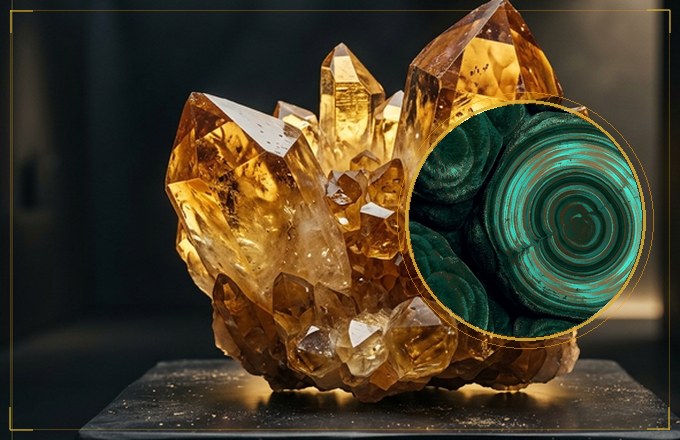
1. Citrine: ask about heat treatment
Citrine is yellow to brownish orange Quartz. GIA explains that natural Citrine is rare and much of the material sold is produced by heating Amethyst. Heat-treated Quartz is still Quartz; the useful question is whether the treatment is disclosed. Ask for the treatment description and photos of the actual specimen. Color, a white base or pointed growth can be reasons to ask questions, but none alone proves the heating history or geographic origin.
2. Malachite: compare the listing with the actual piece
Malachite is a copper carbonate mineral often seen with green banding. Look for sharp photographs of several sides, dimensions and a stated weight. Repeating stripes, an unexpected surface finish or an unclear material name deserve follow-up questions. Temperature against your cheek, weight in your hand and a particular band pattern cannot authenticate a piece by themselves. Ask whether the item is natural Malachite, a composite or an imitation.
3. Quartz: use magnification for observations
A 10x loupe can help you record inclusions, fractures, surface wear and possible mold seams. A rounded feature might be an inclusion or a bubble, so a photograph or an untrained loupe check should not become a definitive glass verdict. Keep notes and clear photos for a qualified gemologist, who can choose appropriate tests. Do not scratch a finished stone, heat it or use a hot needle as a home identification shortcut.
4. Turquoise and dyed stones: request disclosure
Ask whether a blue stone is Turquoise, dyed Howlite, dyed Magnesite, a composite or another imitation, and whether it has been stabilized or coated. Bright color alone cannot settle the question. Avoid alcohol, acetone or other solvent rub tests: they can damage treatments, and a lack of color transfer does not authenticate a stone. GIA notes that heat and solvents can damage treated Turquoise surfaces. For a purchase where identity materially affects the price, request an independent report that clearly matches the item and explains what was examined.
Recommended Specimens & Tools
As an Amazon Associate we earn from qualifying purchases. Affiliate information
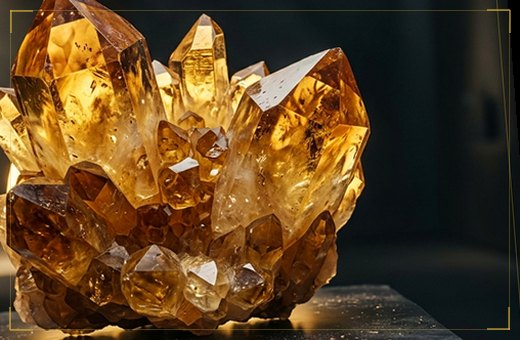
10x jeweler's loupes
Look for a clear usable field of view and a protective case. Magnification supports observation, not automatic identification.
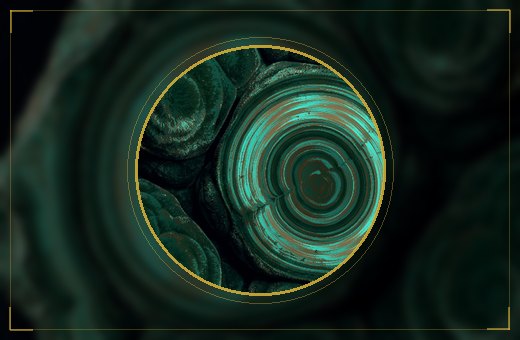
UV lights for mineral observation
Read the wavelength specification and eye-protection instructions. Fluorescence alone cannot authenticate a mineral.